
Obscura Festival 2025: A Retrospective
by Halleta Alemu
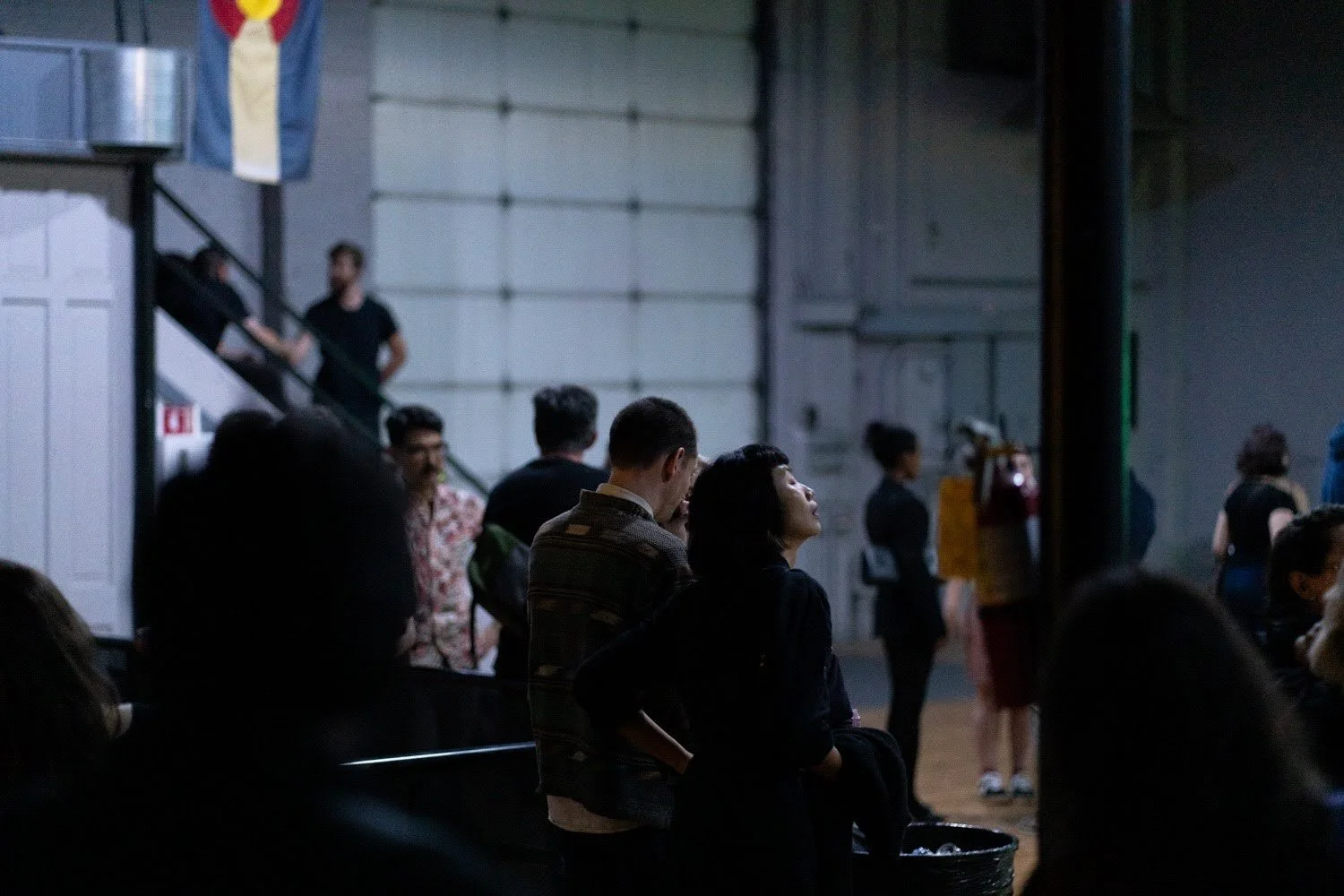
Performance evening at the Armory
Experimental media does its true work when it sprawls outside of the underground and into a city bringing in curious eyes. Denver Digerati’s 2025 Experimental Media Festival Obscura gave the chance for this city to be a nuclear melting pot of ideas, cultures, and artists through the medium of boundary-breaking digital work.
This festival began with a screening of Jerónimo Reyes-Retana’s Void in Resonance a documentary exploring El Campo Pesquero de Playa Bagdad, a marginalized community on the eastern edge of the Mexico - US border, and the sonic effects of it being located two miles from a SpaceX launch site.
Here, Reyes-Retana conducts a haunting, spacial, and sonic investigation into the lived experiences of those working in the oyster fields affected by these blasts. Where we are there, submerged in the waters, feeling the thrumming brutality of each launch. The unaccounted for costs. Probing the other side of the space travel equation — how do these launches affect real life people on Earth?
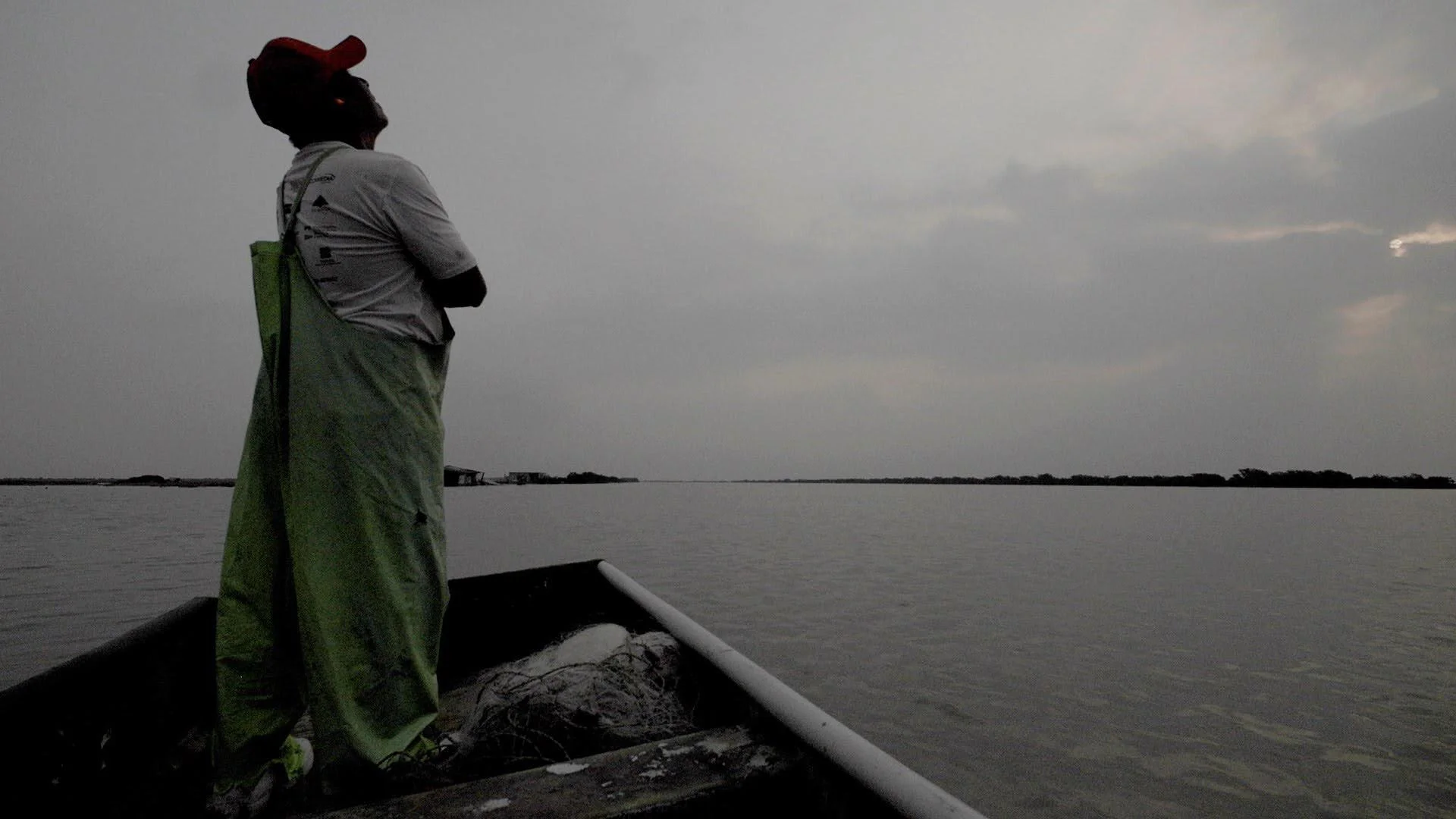
Still from Void in Resonance Jerónimo Reyes-Retana
The festival continued with a series of screenings held at RedLine Contemporary Art Center and local favorite Sie Film Center. Films like Sierra Grove’s Scrape wooed the audience into the visceral beauty of skateboarding as a femme. The movement, freedom, and flow of their love of skateboarding translated into a tone of universal love. The film even featured Grove’s faint humming and film footage they actually skateboarded over. I transcended in my seat.
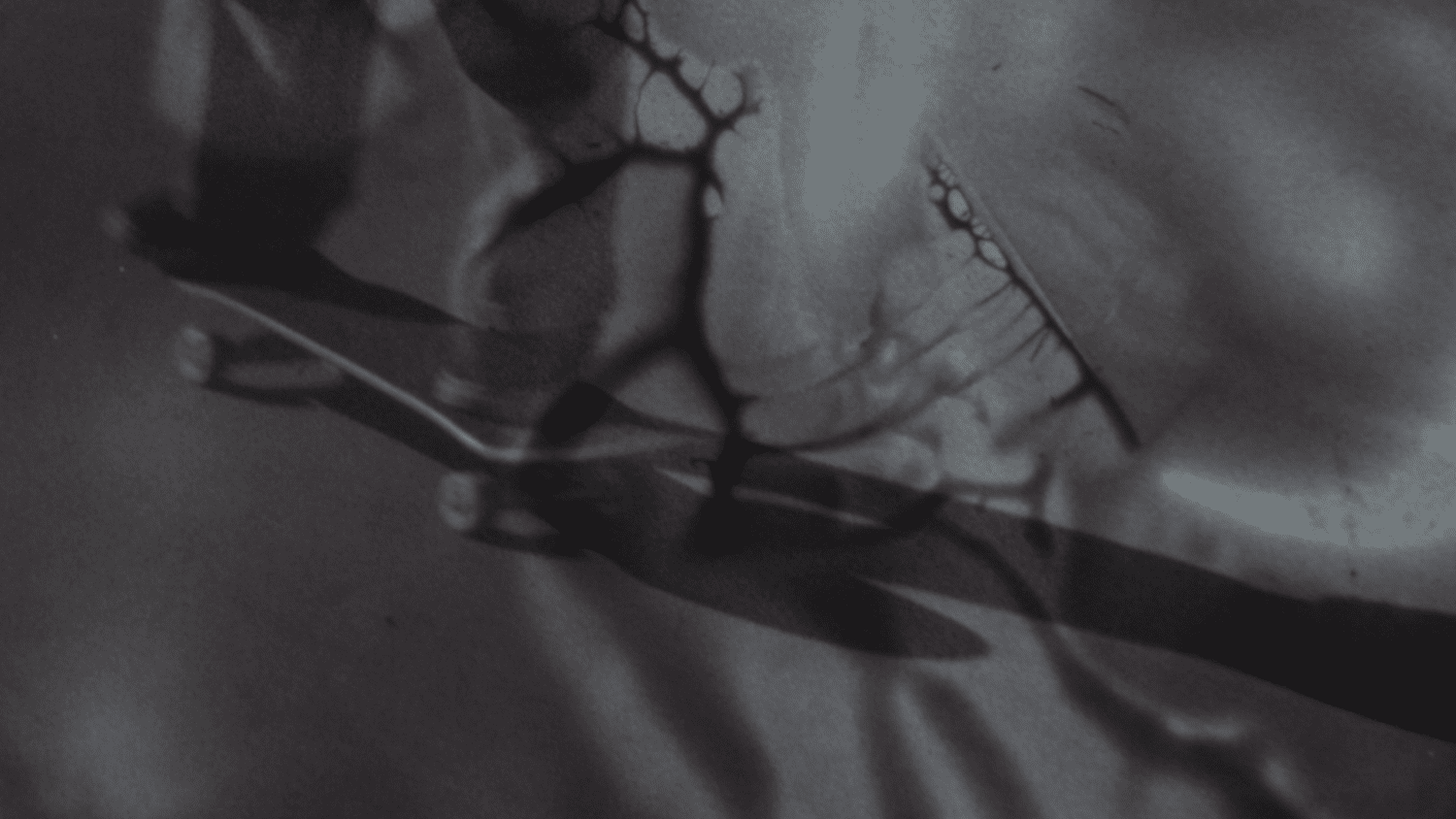
Still from Scrape Sierra Grove
While Jack Grey’s Missed Connections featured vignettes of flailing human desire actualized through silly and vibrantly colored figures and animals. Playful and surreal, each character’s story pierced with probing vulnerability and tenderness. To see very human experiences conveyed through silly figures and animals made them all the more potent, tender, and real. We might need to see the human form manipulated or discarded entirely, to see ourselves more clearly.
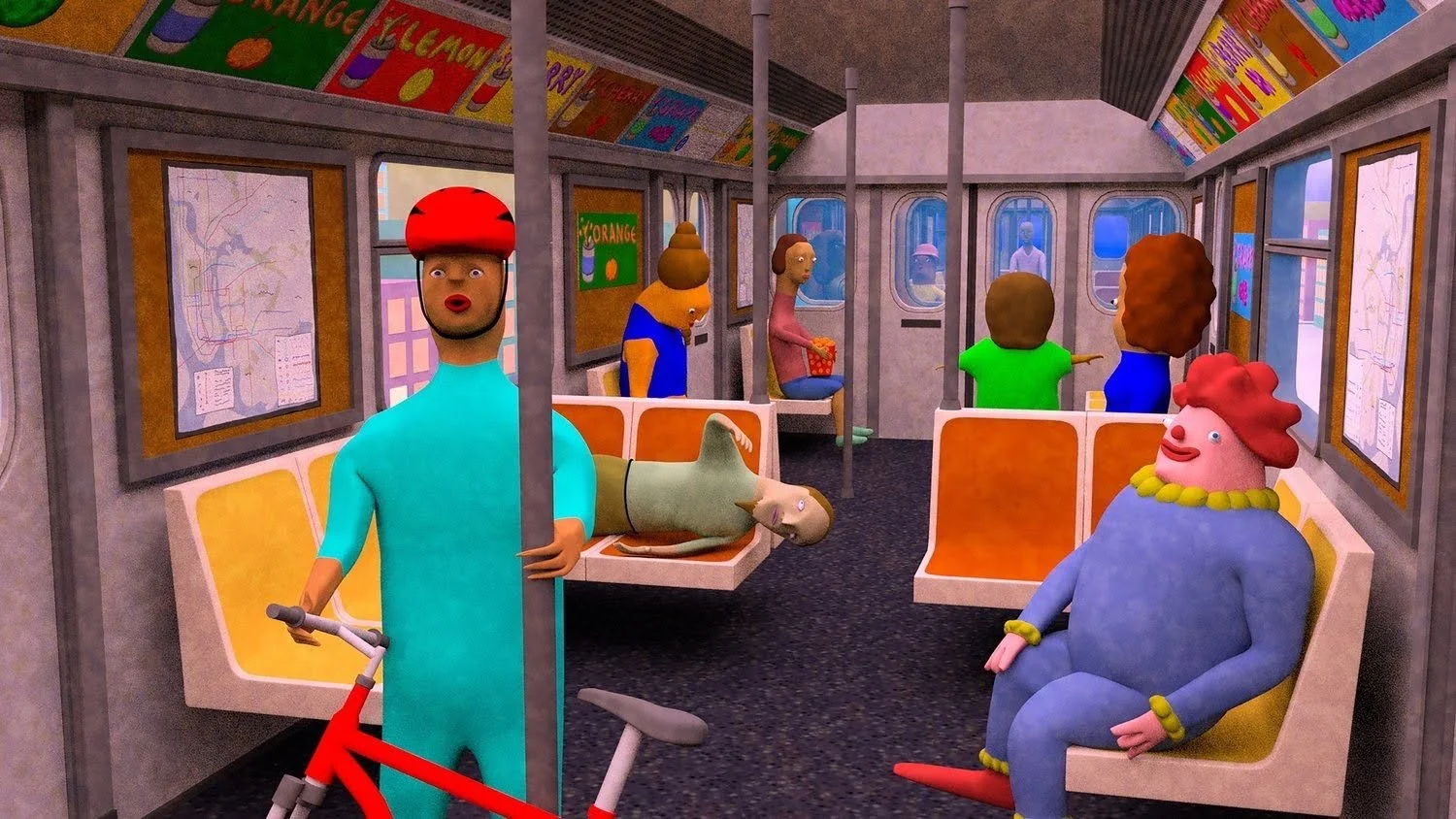
Still from Missed Connections Jack Grey
My Good Boy by Sara Priorelli walked the audience into a hypnotic and humorous animation of one woman’s strong adoration for her dog, which poked intense feelings of neglect from her romantic partner. The animation distinct, silly, and evocative.
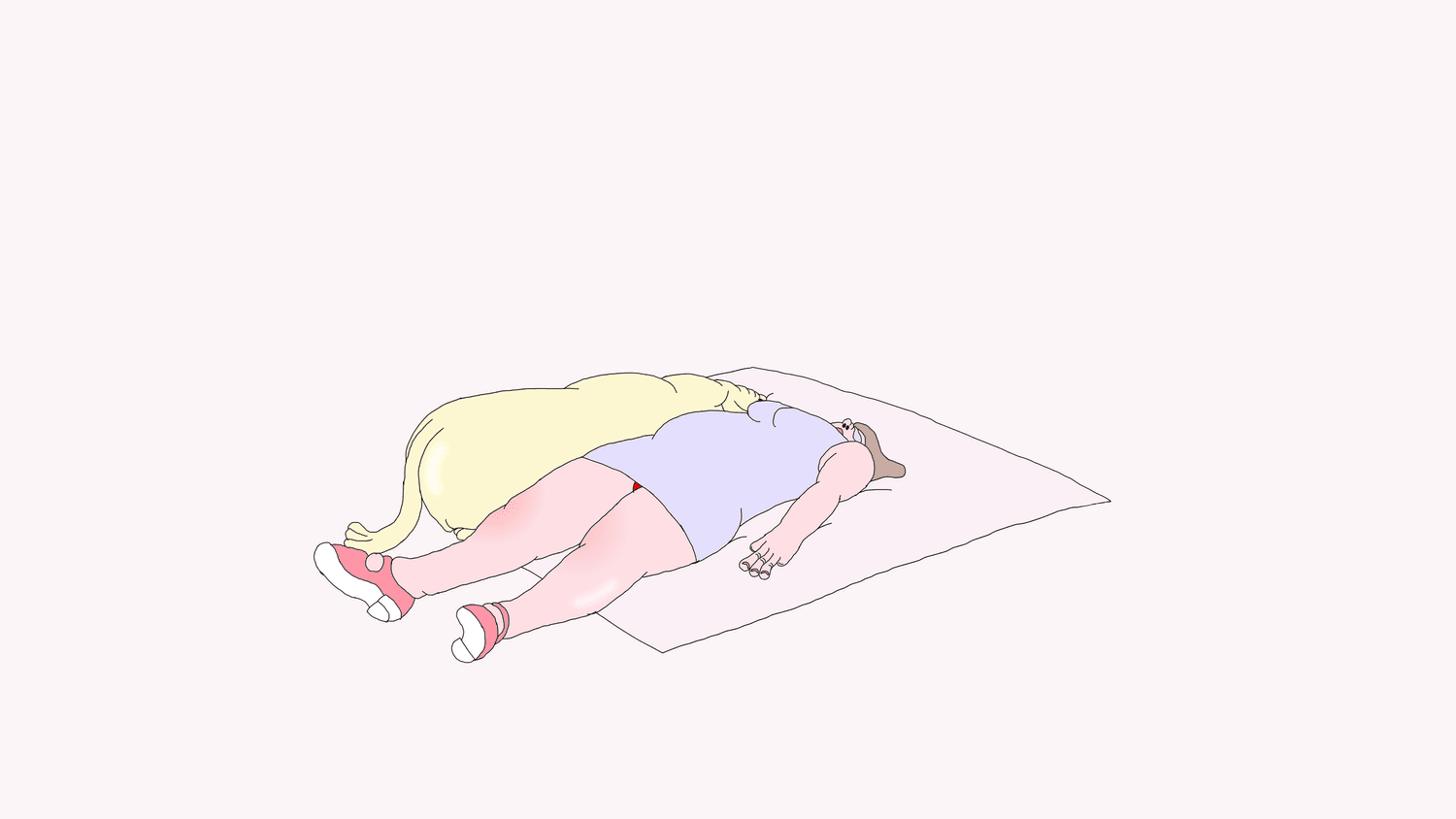
Still from My Good Boy Sara Priorelli
Then ANDi LAND’s Roses featured a post-apocalyptic dreamworld of blonde female floating bodies glitching and morphing. A woman’s body in contortion. Subverting femme as victor instead of victim.
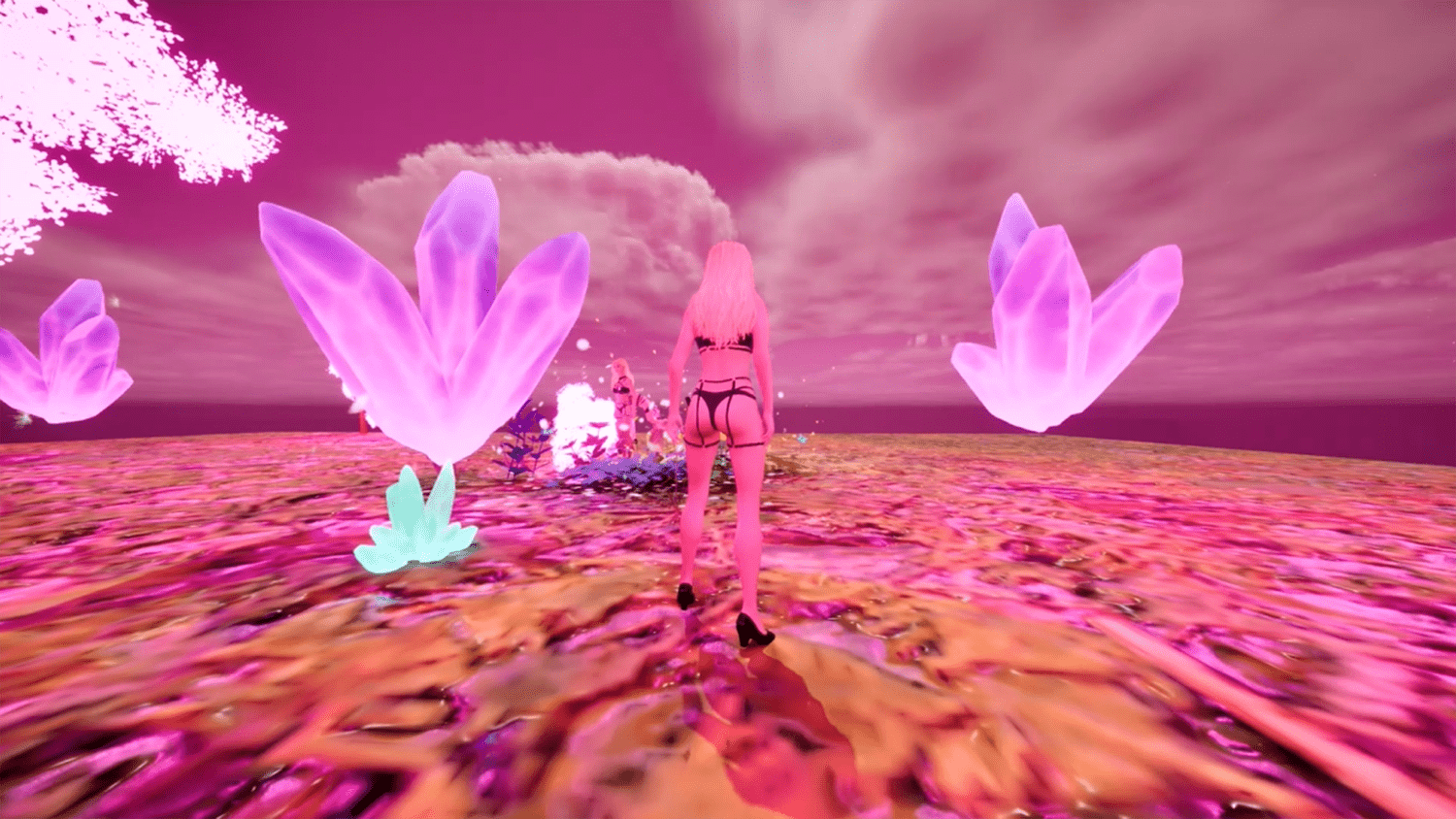
Still from Roses by ANDi LAND
Later in the week, Esteban Azuela’s film Aferrado splashed a distorted 3D-scanned hyper-world literally falling apart at the digital seams. Pixels forming and disintegrating, while telling the story of Joel, a man leading a violent double life in the urban terrain of Mexico City of the 90’s. We see him riding his car through this tumultuous world, things falling apart, mirroring his own internal landscape. The film featured a delicious haunting, electronic soundtrack that kept the audience's bodies thrumming.
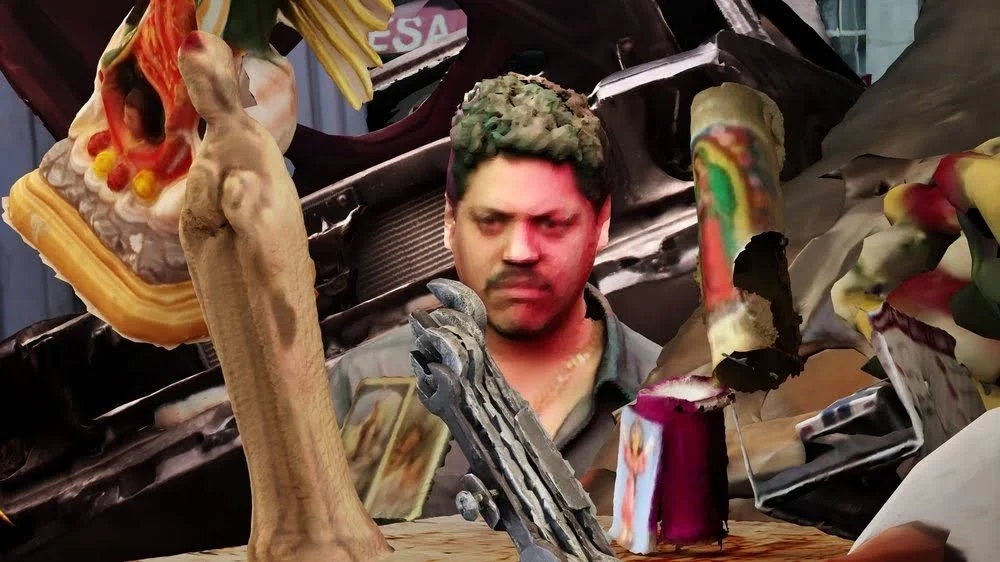
Still from Aferrado by Esteban Azuela
Then Mourad Hamla’s Nothing Blooms created a transfixing work of digital flowers blooming and blossoming, cascading into intricate patterns. All on a black screen featuring crystallized flowers morphing and maxing — the movements of the blossoms felt skeletal, at times operating like a human spine. The theater filled with the rush of impermanence, of how nature both gushes with life and then fades like a perfume. All of it, affecting.
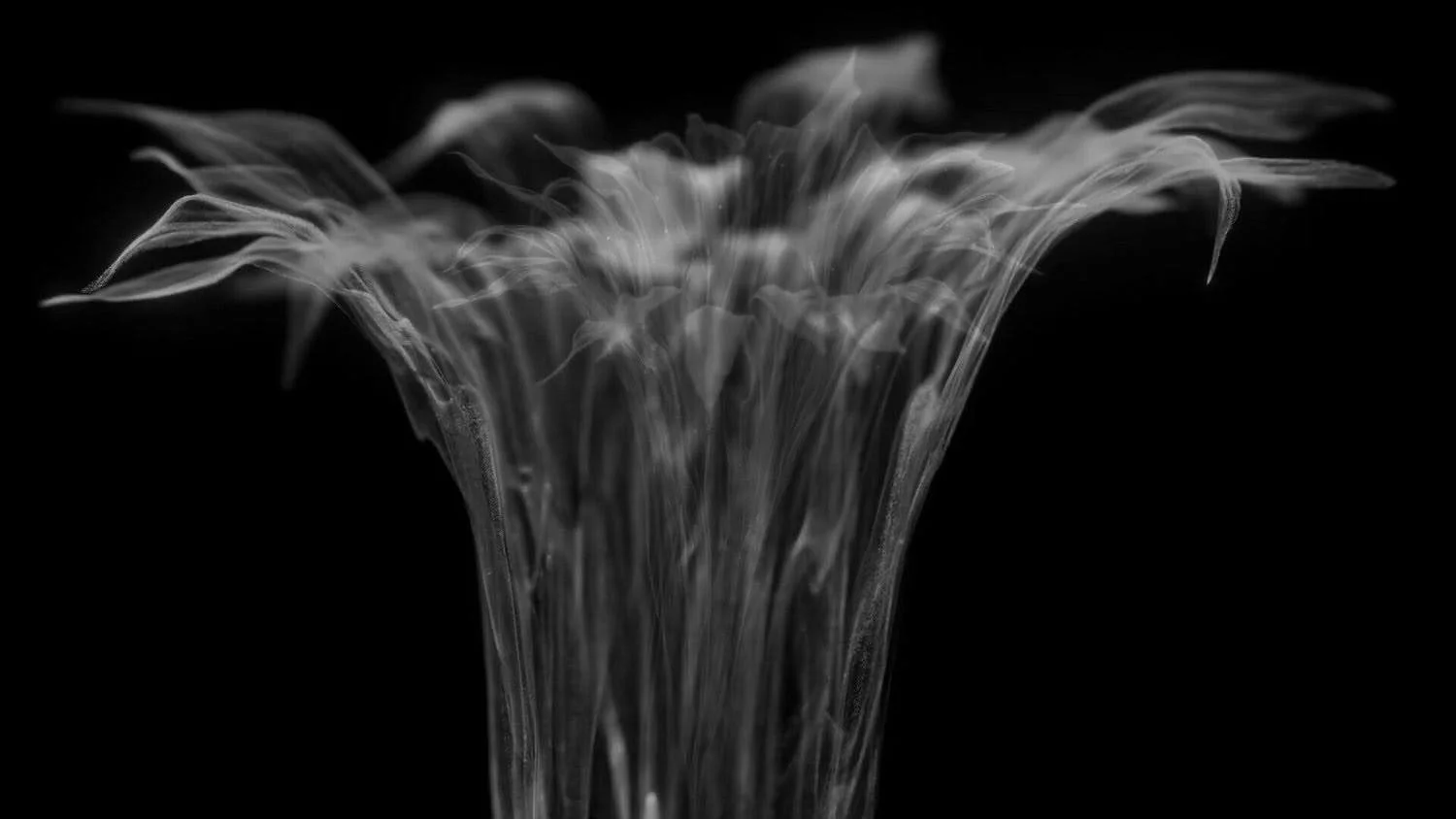
Still from Nothing Blooms by Mourad Hamla
Saturday featured the festival’s fresh lineup of performances. Each featured unique forms of interactive audience participation. Whether it be from a DJ set, physically traversing the crowd, or calling upon volunteers to read upon a script. The stage bled into the audience. Because experimental media is participatory, whether through physical action or thought.
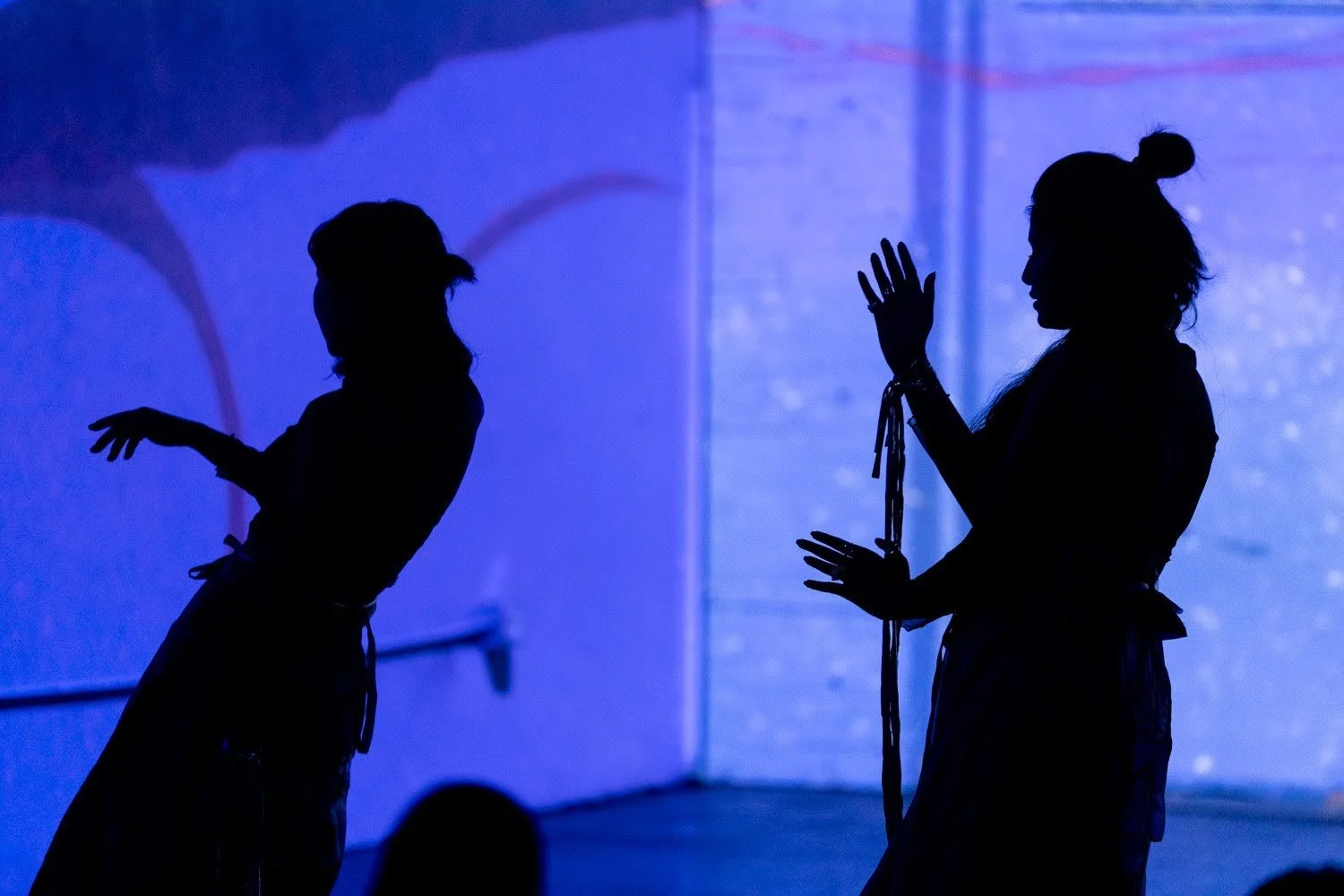
Ritual of Kinmagic by Surabhi Saraf & Laura Hyunjhee Kim (live performance)
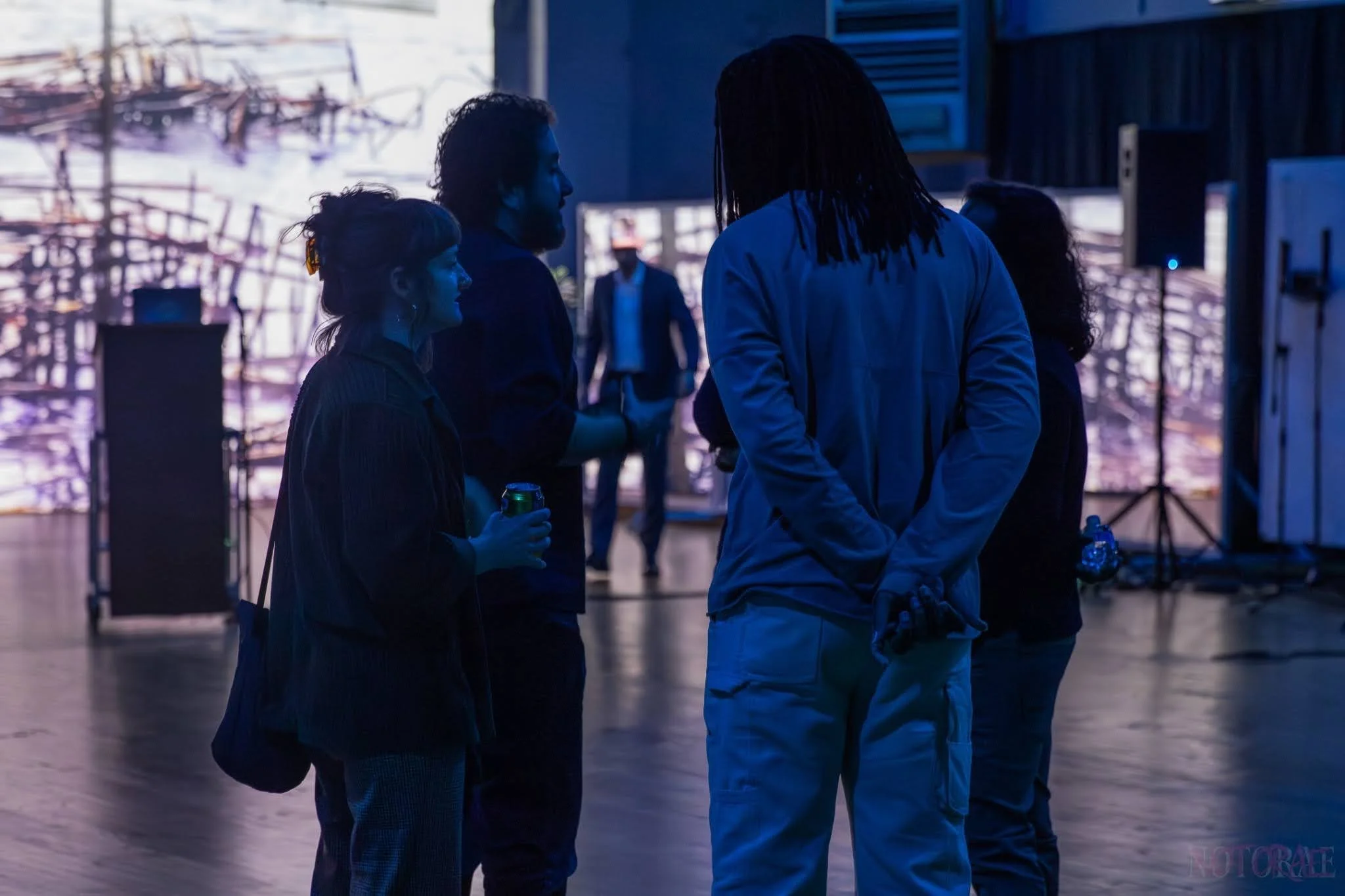
After each night of the festival, audience-goers and artists alike grabbed drinks dissecting each of the works. The lineups, expertly curated by the Denver Digerati board created a diverse palette of offerings. All of us collectively feeling a sense of recalibration seeing the works of artists from so many different countries. A sense of clarity in how we can keep ushering in a richer, more nuanced, and affecting world.
How do we make the world more caring and empathetic? How can we help people see between the lines and craft more compelling meanings? How do we do this without telling them this? How can we lead them to discover this themselves?
This is where experimental media steps in. Yes, art as a whole, but digital experimental media gives us new ways to engage and create with technology. In a time of rapid technological growth and wavering trust in the motives of tech leaders, it’s more important than ever that we shape our own understanding of these tools. And for myself, I look towards the artists to help me.
Experimental media teaches us to find new connections, perspectives, and ways to look at the same subject an infinite number of ways, and in a world where it feels as though more and more we are falling “off script” — where our reality feels more unstable and unpredictable as possible — being able to create meaning out of the experimental is not just for digesting art, but for how to comprehend our lives and collective futures.
It’s in these moments, when you find yourself in a dark room, listening to the stories of people around the world, orchestrated through a variety of new media technologies, like 3D scanning, or the glitching distortion of archival footage, are we perhaps more humanly able to understand how we as a people move forward in this age of increasing technology. You see how they inject humanity into technological processes and forms, teaching us how to see ourselves through the glitches, the distortions, and machinery. Showing us how we can start telling ourselves new stories in order to create more expressive and equitable communities and reimagine the human experience for all humans alike.
In times like these, you follow the artists.